Japchae
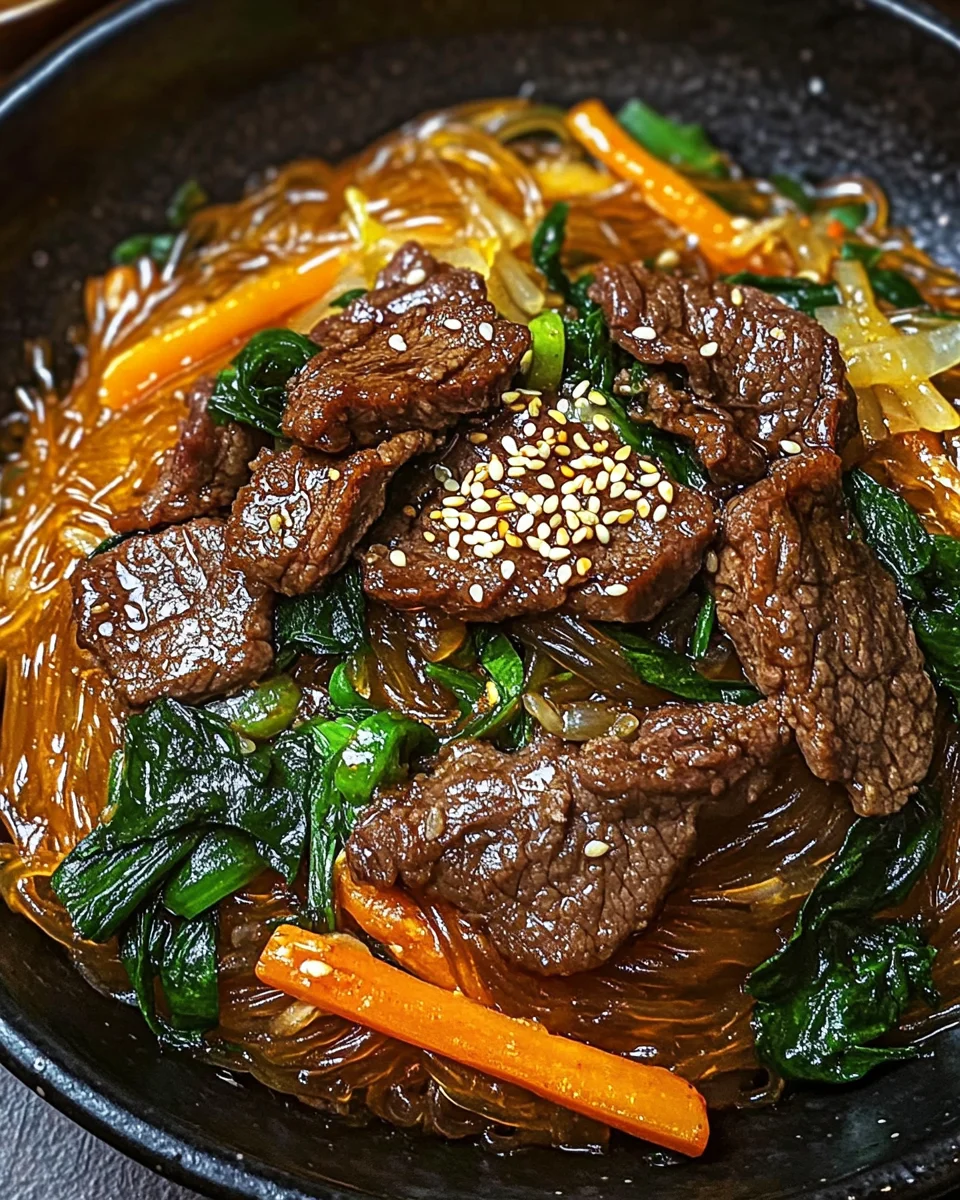
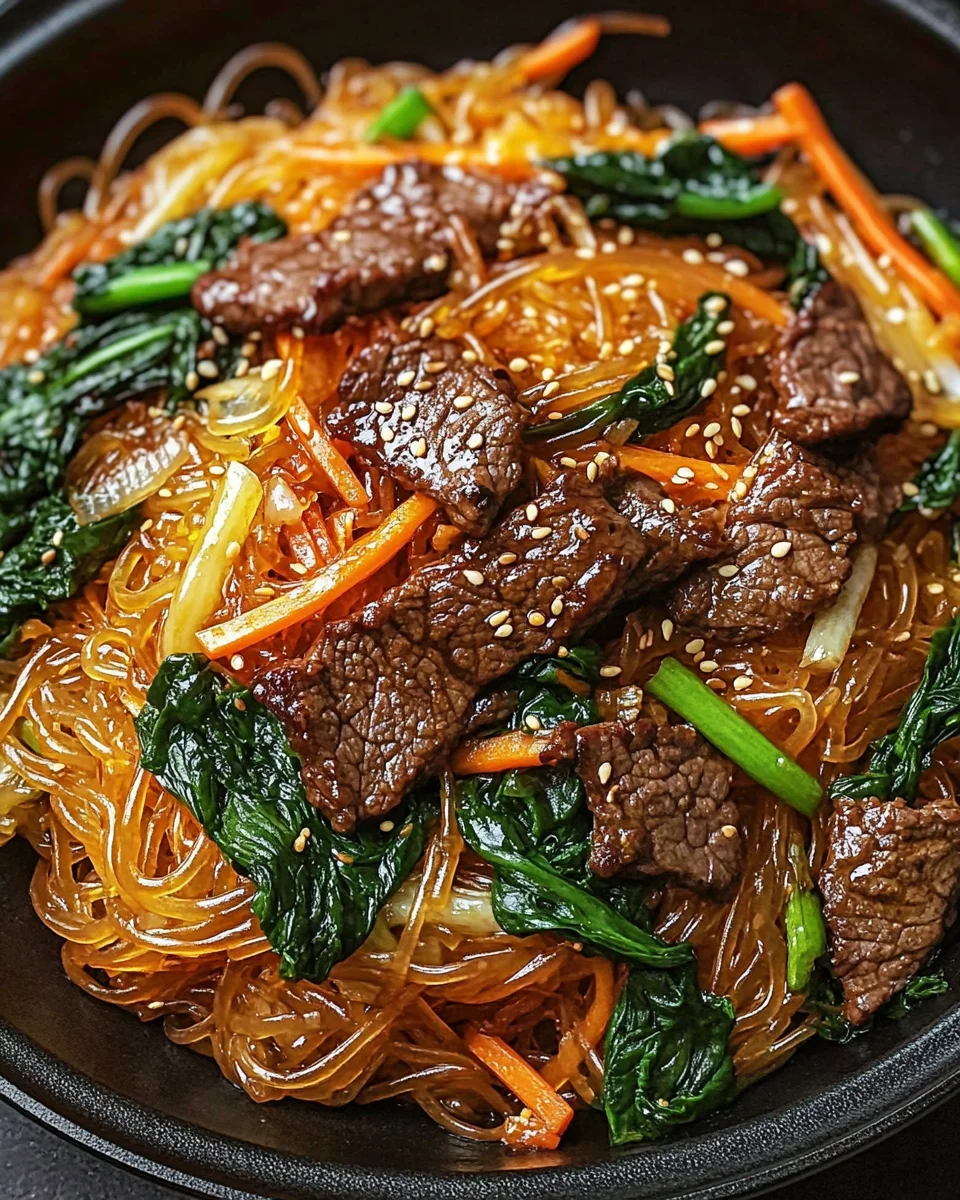
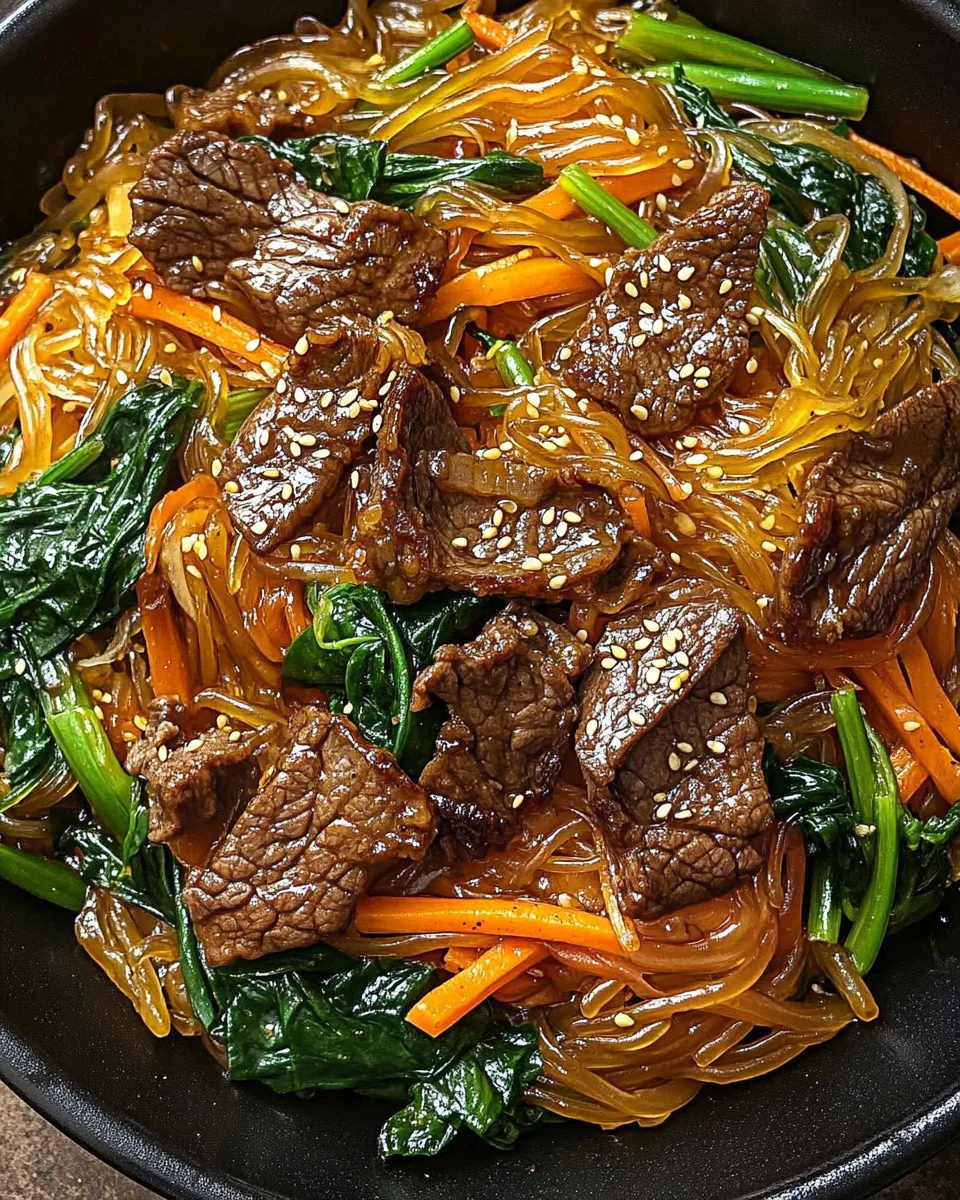
Japchae is a delightful Korean dish that brings together chewy sweet potato glass noodles, tender beef, and a colorful array of vegetables. Its savory-sweet flavor makes it perfect for any occasion, whether you’re hosting a gathering or enjoying a comforting dinner at home. This versatile dish can easily accommodate different proteins like chicken, tofu, or shrimp, making it a true crowd-pleaser.
Why You’ll Love This Recipe
- Easy to Prepare: Japchae requires simple steps and minimal prep time, making it an accessible dish for cooks of all levels.
- Flavor Explosion: The combination of soy sauce, sesame oil, and fresh ingredients creates a mouth-watering taste that’s hard to resist.
- Customizable: You can easily swap out ingredients based on your preference or dietary needs—perfect for experimenting with flavors!
- Great for Gatherings: Serve Japchae at parties or family dinners; it’s a dish that everyone will enjoy and talk about.
- Healthy Ingredients: Packed with vegetables and lean protein, this dish is not only delicious but also nutritious.
Tools and Preparation
To make the perfect Japchae, you’ll need a few essential tools. Having the right equipment can streamline your cooking process and enhance your experience.
Grab This Chef Knife Now - Almost Gone!
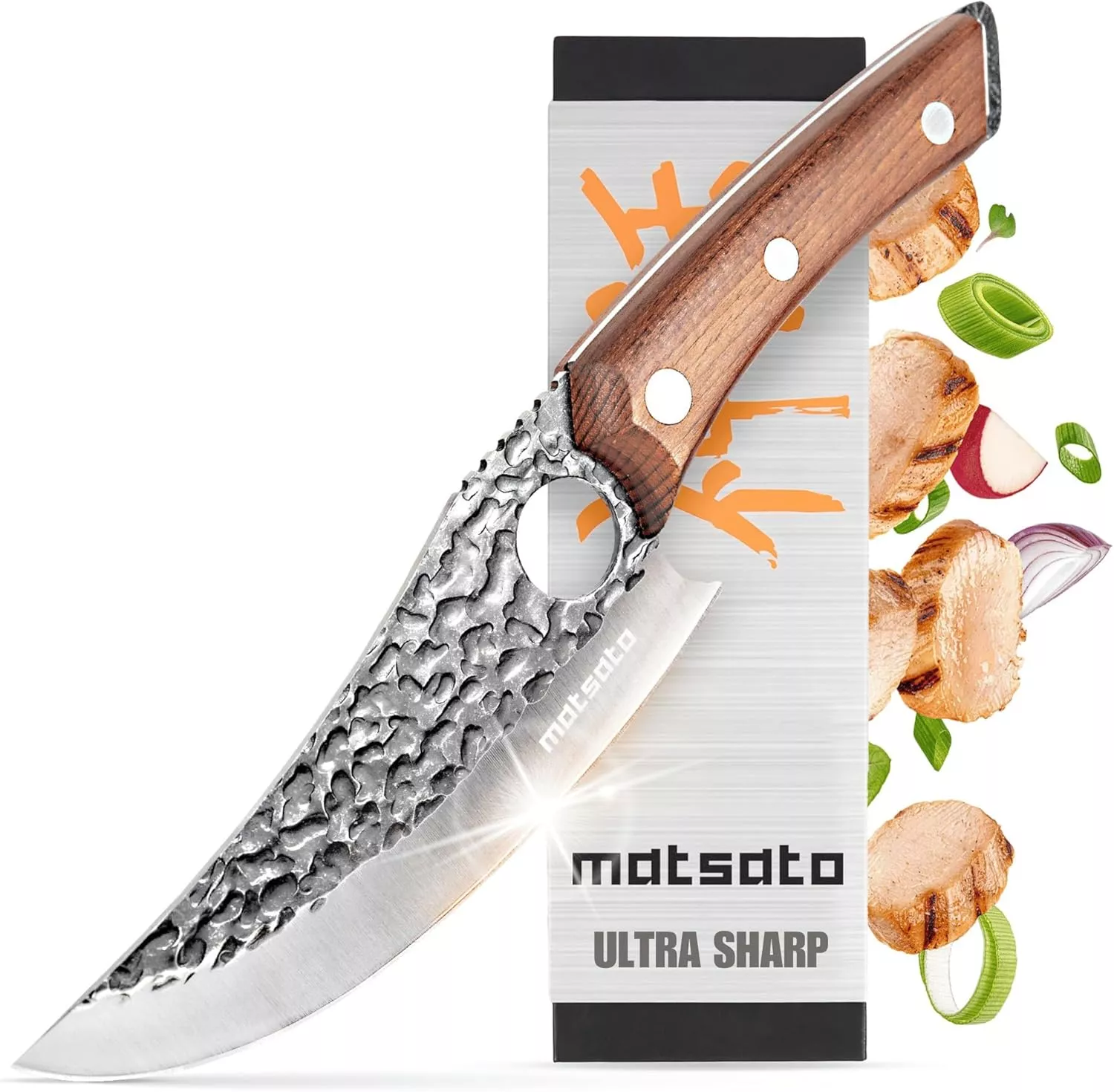
- Stays Razor-Sharp: Ice-hardened blade keeps its edge longer than ordinary knives
- Superior Grip Control: Unique finger hole design gives you perfect balance and safety
- Built to Last a Lifetime: Premium stainless steel blade with elegant beech wood handle
Customer Reviews ★★★★★
Essential Tools and Equipment
Importance of Each Tool
- Large pot: Ideal for boiling the sweet potato noodles evenly without sticking.
- Skillet: Perfect for stir-frying ingredients quickly over high heat to maintain their texture.
- Cutting board: Provides a safe surface to chop vegetables efficiently.
Ingredients
This classic Korean stir-fried noodle dish features chewy sweet potato glass noodles tossed with tender beef, colorful vegetables, and a savory-sweet blend of soy sauce and sesame oil. It’s easy to customize with chicken, tofu, or shrimp, and its vibrant flavors make it perfect for gatherings or a cozy dinner at home.
For the Protein
- 2 lb thin-sliced beef (or chicken, tofu, or shrimp)
For the Noodles
- 1 lb Korean sweet potato noodles (glass noodles / dangmyeon)
For the Vegetables
- 3 medium carrots, julienned
- 1 large white onion, thinly sliced
- 1/2 bunch green onions, chopped
- 6 garlic cloves, minced
- 1/2 lb spinach leaves
For the Sauce
- 4 tablespoons sesame oil (divided)
- 1 tablespoon olive oil
- 6 tablespoons soy sauce (or tamari)
- 3 tablespoons brown sugar
How to Make Japchae
Step 1: Cook the Noodles
Bring a large pot of water to a boil and add a drizzle of olive oil. Cook the sweet potato noodles for 5–6 minutes until they are chewy but tender. Drain them well and set aside.
Step 2: Prepare the Beef
In a skillet over high heat, cook the beef until browned. Season with half of the soy sauce, half the sesame oil, and half the brown sugar. Once cooked through, set it aside.
Step 3: Sauté the Vegetables
In another skillet, heat the remaining olive oil over medium heat. Add the carrots and onion; cook them until softened. Then add in the remaining soy sauce, sesame oil, and brown sugar.
Step 4: Add Garlic and Spinach
Stir in the minced garlic and chopped green onions into the skillet with vegetables. Cook for about one minute before adding in the spinach leaves. Cook until they are wilted.
Step 5: Combine Ingredients
In a large mixing bowl, combine the cooked noodles with beef and sautéed vegetables. Toss everything together until evenly coated with sauce.
Step 6: Serve
Serve warm on plates garnished with additional green onions if desired. Enjoy your homemade Japchae!
Prep Time: 30 minutes
Cook Time: 30 minutes
Total Time: 1 hour
Course: Main Dish
Cuisine: Korean
Servings: 10
Calories: 489 kcal per serving
How to Serve Japchae
Japchae is a versatile dish that can be served in various ways to suit different occasions. Here are some creative serving suggestions to enhance your dining experience.
As a Main Dish
- Serve Japchae as the centerpiece of your meal. Its rich flavors and colorful ingredients make it an eye-catching main course.
In Lettuce Wraps
- For a fresh twist, use large lettuce leaves to wrap servings of Japchae. This adds a crunchy texture and balances the savory noodles with crisp greens.
With a Side of Kimchi
- Pairing Japchae with traditional kimchi brings a spicy kick that complements the dish’s sweetness, enhancing the overall flavor profile.
Over Steamed Rice
- For a heartier option, serve Japchae over a bed of steamed rice. This adds substance and allows you to savor every bite with the delicious sauce.
As Part of a Korean Feast
- Include Japchae in a larger spread of Korean dishes for special occasions. It pairs well with items like bulgogi and bibimbap, creating a festive atmosphere.
Garnished with Sesame Seeds
- Sprinkle toasted sesame seeds on top just before serving for added crunch and nutty flavor. They also provide an appealing visual contrast against the noodles.
How to Perfect Japchae
To achieve the best results when making Japchae, follow these helpful tips for optimal flavor and texture.
- Use fresh ingredients: Fresh vegetables not only taste better but also retain their vibrant colors, enhancing the dish’s appeal.
- Cook noodles al dente: Ensure the sweet potato noodles are cooked just right—chewy but not mushy—for the perfect texture.
- Adjust seasoning: Taste while cooking and adjust soy sauce, sesame oil, and sugar to achieve your desired flavor balance.
- Stir-fry quickly: Cook ingredients over high heat to maintain their freshness and crunch. This prevents overcooking and preserves flavors.
- Let it sit: Allowing Japchae to rest for a few minutes after cooking helps the flavors meld together beautifully.
- Reheat gently: If serving leftovers, reheat gently on low heat to avoid losing the noodles’ chewy texture.
Best Side Dishes for Japchae
Serving side dishes alongside Japchae can elevate your meal experience. Here are some excellent options to consider:
- Korean Fried Chicken: Crispy and flavorful, this dish pairs perfectly with the savory notes of Japchae.
- Spicy Cucumber Salad: Refreshingly crunchy with a hint of spice, this salad cuts through the richness of the noodles.
- Steamed Broccoli: A simple yet nutritious side that adds color and complements the flavors without overpowering them.
- Pickled Radish: Tangy and crunchy, pickled radish offers a delightful contrast that enhances each bite of Japchae.
- Miso Soup: A warm bowl of miso soup provides comfort and balances out the meal with its umami flavors.
- Egg Roll: Crispy egg rolls filled with vegetables or meat add an extra layer of texture and flavor to your dining experience.
- Grilled Zucchini: Lightly grilled zucchini lends a smoky flavor that pairs well with the sweet notes in Japchae.
- Tofu Stir-Fry: A protein-rich option that can be seasoned similarly to bring harmony between all dishes on your table.
Common Mistakes to Avoid
When making Japchae, it’s easy to overlook details that can impact the final dish. Here are some common mistakes to watch for.
- Ignoring noodle cooking time: Overcooking the sweet potato noodles can make them mushy. Cook them just until al dente for the best texture.
- Not seasoning properly: Skipping or under-seasoning the beef can result in bland flavors. Ensure you season well with soy sauce and other ingredients.
- Using too many vegetables: While colorful veggies enhance Japchae, overloading can make it soggy. Stick to the recommended amounts for balance.
- Skipping the sesame oil: This ingredient adds a distinct flavor that defines Japchae. Don’t skip it; use both sesame oil and olive oil for richness.
- Not tossing enough: Properly tossing the noodles with the meat and vegetables is crucial for even flavor distribution. Don’t rush this step!
Storage & Reheating Instructions
Refrigerator Storage
- Store leftover Japchae in an airtight container.
- It will last for up to 3 days in the fridge.
Freezing Japchae
- Place cooled Japchae in a freezer-safe container or bag.
- It can be frozen for up to 2 months.
Reheating Japchae
- Oven: Preheat to 350°F (175°C) and cover with foil to retain moisture. Heat for about 15-20 minutes.
- Microwave: Place in a microwave-safe dish, cover, and heat in 1-minute intervals until warmed through.
- Stovetop: Heat a little oil in a skillet over medium heat. Add Japchae and stir until heated through.
Frequently Asked Questions
Here are some common questions about making and enjoying Japchae.
What type of noodles are used in Japchae?
Japchae uses Korean sweet potato glass noodles, also known as dangmyeon. These noodles have a chewy texture that holds up well when stir-fried.
Can I customize my Japchae?
Yes! You can easily customize Japchae by adding proteins like chicken, tofu, or shrimp, or by adjusting vegetables based on what you have on hand.
How do I store leftover Japchae?
Store leftover Japchae in an airtight container in the refrigerator for up to 3 days or freeze it for up to 2 months.
Is Japchae healthy?
Yes! Japchae is packed with vegetables and can be made healthier by using lean proteins and reducing sugar in the recipe.
Final Thoughts
Japchae is not only a delightful dish but also incredibly versatile, allowing you to customize it based on your preferences. Whether you’re preparing it for gatherings or a cozy night at home, it’s sure to impress with its vibrant flavors and textures. Give this recipe a try and explore its endless possibilities!

Japchae
- Total Time: 1 hour
- Yield: Serves approximately 10 people 1x
Description
Japchae is a beloved Korean dish renowned for its delightful combination of chewy sweet potato glass noodles, tender protein, and a vibrant mix of vegetables. This savory-sweet stir-fry is perfect for any occasion, from family dinners to festive gatherings. Its versatility allows you to customize it with proteins like chicken, tofu, or shrimp, making it a go-to recipe that pleases everyone at the table. With simple preparation steps and an explosion of flavors, Japchae is an easy yet impressive addition to your culinary repertoire.
Ingredients
- 2 lb thin-sliced beef (or chicken, tofu, or shrimp)
- 1 lb Korean sweet potato noodles (glass noodles / dangmyeon)
- 3 medium carrots, julienned
- 1 large white onion, thinly sliced
- 1/2 bunch green onions, chopped
- 6 garlic cloves, minced
- 1/2 lb spinach leaves
- 4 tablespoons sesame oil (divided)
- 1 tablespoon olive oil
- 6 tablespoons soy sauce (or tamari)
- 3 tablespoons brown sugar
Instructions
- Cook the sweet potato noodles in boiling water with a drizzle of olive oil for 5–6 minutes until chewy but tender. Drain and set aside.
- In a skillet over high heat, cook the beef until browned. Season with half of the soy sauce, sesame oil, and brown sugar; set aside.
- Sauté the carrots and onion in another skillet over medium heat until softened. Add remaining soy sauce, sesame oil, and brown sugar.
- Stir in garlic and green onions; cook for one minute before adding spinach until wilted.
- Combine cooked noodles with beef and sautéed vegetables in a large mixing bowl; toss to coat everything evenly.
- Serve warm; garnish with extra green onions if desired.
- Prep Time: 30 minutes
- Cook Time: 30 minutes
- Category: Main Dish
- Method: Stir-frying
- Cuisine: Korean
Nutrition
- Serving Size: 1 cup (about 200g)
- Calories: 489
- Sugar: 9g
- Sodium: 790mg
- Fat: 22g
- Saturated Fat: 4g
- Unsaturated Fat: 16g
- Trans Fat: 0g
- Carbohydrates: 56g
- Fiber: 3g
- Protein: 23g
- Cholesterol: 65mg