Beginners Sourdough Bread Recipe
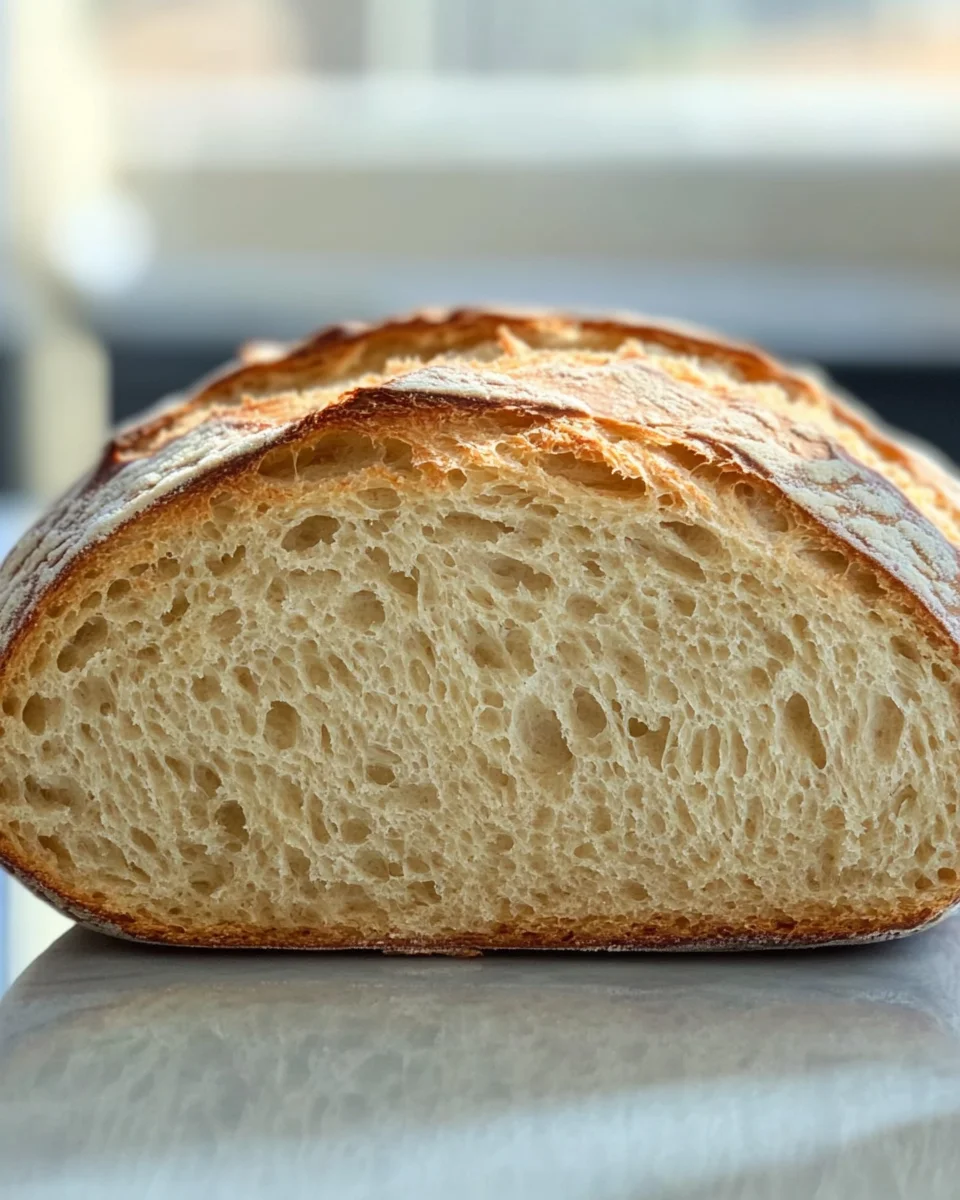
This Beginners Sourdough Bread Recipe is perfect for those who are new to baking with sourdough. It ensures that your first loaf will turn out deliciously, thanks to the generous amount of active starter used to boost the rise. Ideal for any occasion, this recipe makes a crusty, flavorful bread that can be enjoyed fresh, toasted, or as part of a charcuterie board.
Why You’ll Love This Recipe
- Easy to Follow: This recipe breaks down complex techniques into simple steps, making it accessible for beginners.
- Flavorful Result: The combination of a bubbly sourdough starter and quality ingredients yields a rich, tangy flavor.
- Versatile Uses: Great for sandwiches, toast, or served alongside soups and salads.
- Forgiving Process: With plenty of starter and clear instructions, even novice bakers can achieve success.
- Impressive Appearance: The artisan look of the baked loaf makes it perfect for impressing guests.
Tools and Preparation
Before you start your baking journey, gather the essential tools you will need to create your sourdough bread.
Grab This Chef Knife Now - Almost Gone!
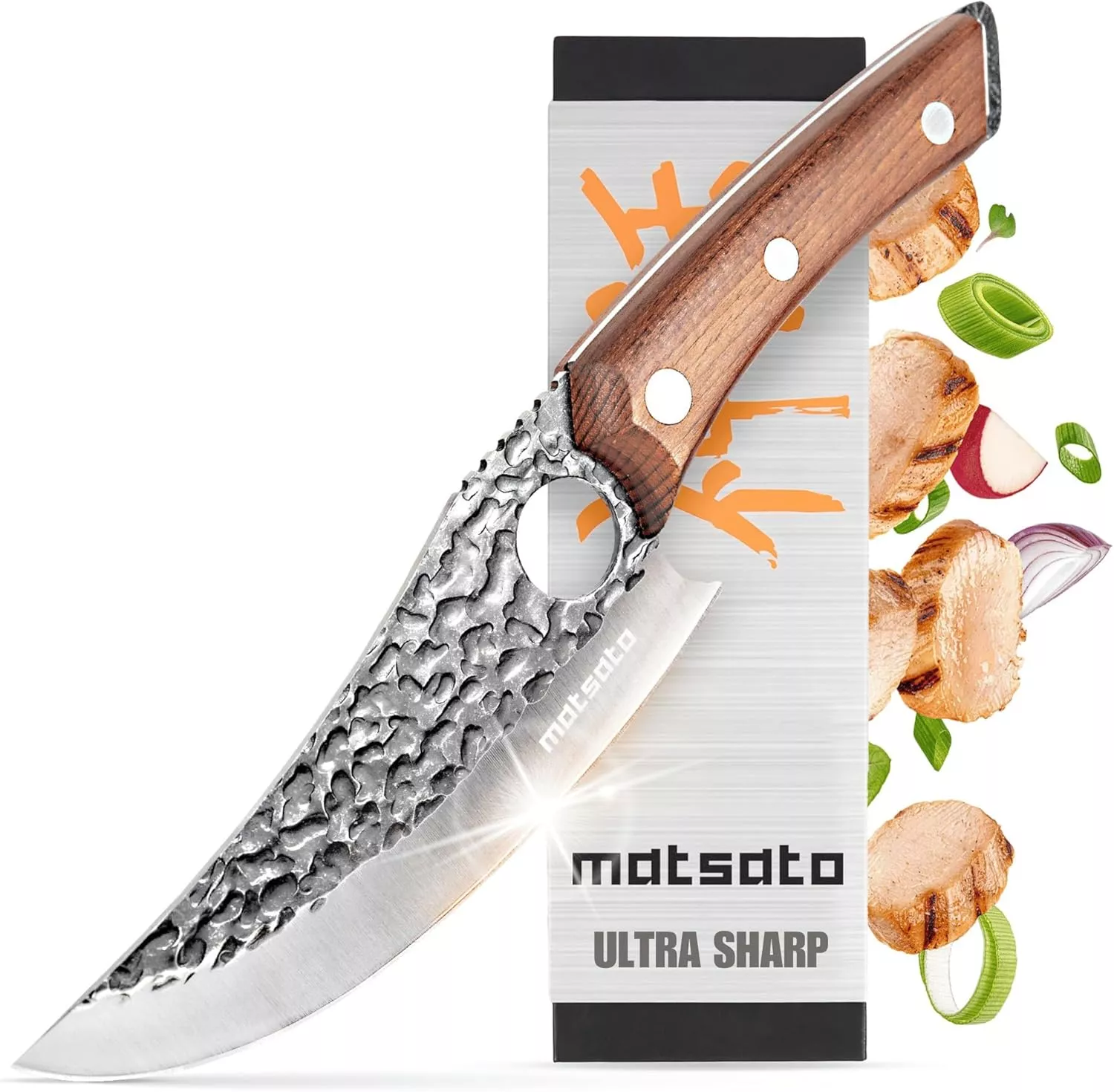
- Stays Razor-Sharp: Ice-hardened blade keeps its edge longer than ordinary knives
- Superior Grip Control: Unique finger hole design gives you perfect balance and safety
- Built to Last a Lifetime: Premium stainless steel blade with elegant beech wood handle
Customer Reviews ★★★★★
Essential Tools and Equipment
- Mixing bowl (non-metal)
- Whisk
- Large spoon
- Clean damp kitchen towel
- Proofing basket or towel
- Refrigerator
- Dutch oven
Importance of Each Tool
- Mixing bowl (non-metal): A non-metal bowl prevents any reaction with the sourdough starter and helps maintain its vitality.
- Dutch oven: This tool retains heat and moisture, creating the ideal environment for baking crusty bread.
Ingredients
Here’s what you’ll need for the Beginners Sourdough Bread Recipe:
- 2 cups Active Sourdough Starter (400 grams) (active and bubbly, made from equal parts flour and water)
- 3 cups Sifted All-Purpose Flour (360 grams)
- 1 cup Warm Water (240 grams)
- 1.5 teaspoons Salt (≈9 grams)
How to Make Beginners Sourdough Bread Recipe
Step 1: Prepare Your Starter
In a large mixing bowl (not metal), add 2 cups (400 grams) of your 100% hydration active sourdough starter. Ensure that this starter has been fed and kept out of the fridge for at least 4 hours or overnight.
Step 2: Combine Wet Ingredients
Add 1 cup of warm water to the starter. Use a whisk to mix until well combined.
Step 3: Add Dry Ingredients
Next, add 3 cups of sifted flour to the mixture. Remember to fluff your flour before measuring to avoid compactness. Include 1.5 teaspoons of salt (Himalayan Pink Salt works wonderfully).
Step 4: Mix Together
Use a large spoon to mix all the ingredients until they form a wet, biscuit-like dough.
Step 5: Let It Rest
Cover this shaggy dough with a clean damp kitchen towel. Allow it to rest in a warm place for about 2 hours or in a warm oven (around 80 degrees) for approximately 1 hour.
Step 6: First Stretch and Fold
After resting, uncover the dough. With wet hands, pick up one side and fold it over itself. Turn the bowl 90 degrees and repeat this process around all four sides of the dough. Cover again and let rise for about 45 minutes until doubled in size.
Step 7: Second Stretch & Fold
Repeat the stretching process as in step six. Afterward, cover again and let rise until doubled in size.
Step 8: Third Stretch & Fold
Uncover and repeat the stretch-and-fold technique once more. Cover again and allow it to rise until doubled again.
Step 9: Fourth Stretch & Fold
Perform another stretch-and-fold cycle. The dough should now feel fluffy and more like bread! Cover once more for another rise until doubled.
Step 10: Shape Your Dough
Once complete with folds, shape your dough into a round loaf.
Step 11: Prepare for Proofing
Dust a towel or proofing basket generously with flour before placing your shaped dough ball inside it.
Step 12: Final Rise in Refrigerator
Dust the top with flour and cover with a clean towel. Refrigerate this setup for about 4 to 8 hours.
Step 13: Preheat Oven
Preheat your oven to 400 degrees F while also placing your Dutch oven inside to heat up.
Step 14: Prepare Parchment Paper
Cut a section of parchment paper about two feet long and lay it on your counter.
Step 15: Turn Out Dough
Gently turn out your chilled sourdough ball onto the parchment paper.
Step 16: Score Your Dough
Using a very sharp knife or razor blade, score a design into the top of your dough to help steam escape during baking.
Step 17: Bake in Dutch Oven
Carefully remove the hot Dutch oven from your preheated oven. Lift your raw sourdough loaf using the parchment paper ends and place it into the pot; it’s fine if some paper hangs over the edges. Cover with lid.
Step 18: Bake Covered
Return your Dutch oven back into the preheated oven at 400 degrees F., baking covered for about 25 minutes.
Step 19: Uncover & Finish Baking
After covering time is up, remove the lid from your Dutch oven. Continue baking uncovered for an additional 25 minutes until golden brown!
Step 20: Cool & Enjoy!
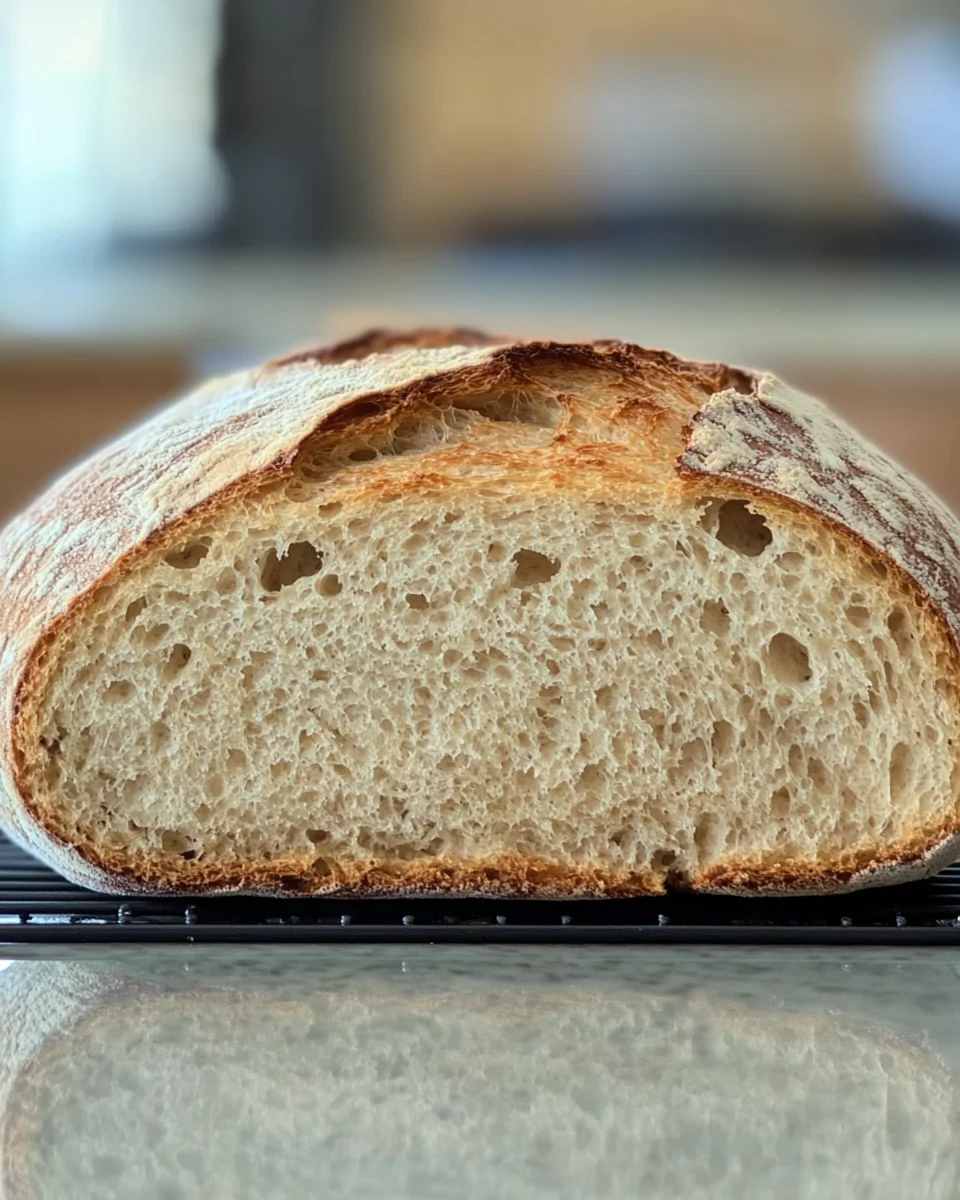
Let your freshly baked sourdough cool before slicing into it! Enjoy every bite!
Feel free to ask any questions in the comments below! Don’t forget to rate this recipe card based on your experience!
How to Serve Beginners Sourdough Bread Recipe
Serving your freshly baked sourdough bread can elevate any meal or snack. Here are some delightful suggestions for enjoying your homemade loaf.
Toasted Sourdough with Avocado
- Spread ripe avocado on warm, toasted slices of sourdough for a quick and nutritious breakfast or snack.
Sourdough Grilled Cheese
- Make a classic grilled cheese sandwich using sourdough bread. The crispy crust complements the melted cheese perfectly.
Sourdough Bruschetta
- Top toasted slices with fresh tomatoes, basil, olive oil, and balsamic vinegar for a delicious appetizer or side dish.
Sourdough French Toast
- Dip slices in a mixture of eggs and milk, then cook on a skillet for a delightful breakfast treat.
Sourdough with Olive Oil and Balsamic Vinegar
- Drizzle high-quality olive oil and balsamic vinegar over sliced sourdough for an easy yet elegant starter.
Sandwiches
- Use sourdough as the base for hearty sandwiches filled with your favorite meats, cheeses, and veggies.
How to Perfect Beginners Sourdough Bread Recipe
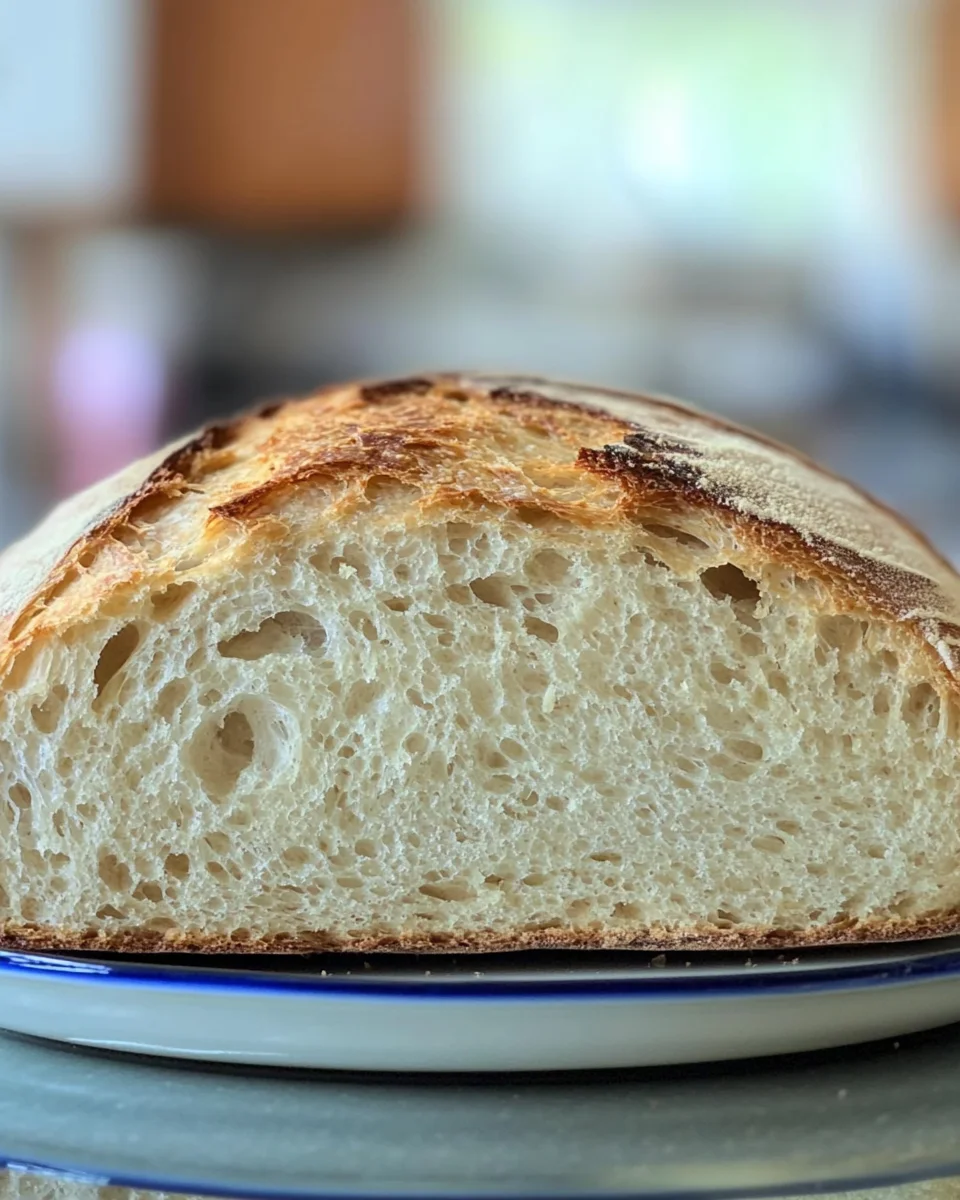
To ensure your sourdough bread turns out perfectly every time, follow these essential tips.
- Use Active Starter: Ensure your sourdough starter is bubbly and active. Feed it at least four hours before baking for the best results.
- Measure Flour Correctly: Fluff and sift your flour before measuring to avoid using too much. This will keep your dough light.
- Warm Environment: Let your dough rise in a warm area or place it in a slightly warmed oven to help fermentation.
- Be Gentle While Folding: When stretching and folding the dough, be gentle to retain air bubbles for better texture.
- Score the Dough: Use a sharp knife when scoring the top of your loaf. This allows steam to escape during baking, creating a better crust.
- Cool Before Slicing: Let the bread cool completely before slicing. This helps set the crumb structure.
Best Side Dishes for Beginners Sourdough Bread Recipe
Pairing side dishes with your homemade sourdough can enhance the overall meal experience. Here are some perfect options to consider.
- Classic Caesar Salad: A crisp salad featuring romaine lettuce, croutons, parmesan cheese, and Caesar dressing complements the richness of sourdough.
- Tomato Soup: A warm bowl of tomato soup pairs beautifully with sourdough bread for dipping.
- Roasted Vegetables: Seasonal roasted veggies provide a healthy contrast to the dense texture of sourdough.
- Cheese Platter: Offer an assortment of cheeses alongside your bread for an inviting appetizer spread.
- Pasta Primavera: Light pasta dishes with fresh vegetables create a balanced meal when served with slices of sourdough.
- Hummus and Veggies: Serve hummus with fresh vegetable sticks or pita chips for a healthy snack that goes well with bread.
- Spinach Artichoke Dip: A cheesy dip served warm makes for an irresistible combination with toasted slices of sourdough.
- Stuffed Peppers: Flavorful stuffed peppers add protein and make an excellent side when served alongside freshly baked bread.
Common Mistakes to Avoid
Making sourdough bread can be rewarding, but beginners often make simple mistakes. Here are some common pitfalls and tips to avoid them.
- Ignoring the starter’s readiness: Using a sourdough starter that isn’t active can lead to underwhelming results. Always ensure your starter is bubbly and has been fed within the last 4 hours before use.
- Skipping the flour sifting: Not sifting your flour can cause the dough to be too dense. Sift or fluff your flour before measuring to ensure it’s not too compacted.
- Not using wet hands: Dry hands can cause the dough to stick, making it difficult to handle. Wet your hands when stretching and folding to make this process easier.
- Neglecting temperature control: Allowing dough to rise in too cold of an area can slow fermentation. Keep it in a warm place for optimal rising, or use a warm oven if necessary.
- Rushing the resting times: Skipping or shortening rest periods can affect dough development. Be patient and allow sufficient time for each rise, as this contributes to texture and flavor.
- Overbaking or underbaking: Baking times are crucial for achieving the right crust and crumb. Pay attention to color and texture, and adjust based on your oven’s performance.
Storage & Reheating Instructions
Refrigerator Storage
- Store sourdough bread at room temperature for up to 3 days in a paper bag or wrapped in a clean cloth.
- For longer storage, place it in an airtight container or plastic bag, which may keep it fresh for up to a week.
Freezing Beginners Sourdough Bread Recipe
- Wrap slices tightly in plastic wrap or aluminum foil before placing them in a freezer-safe bag.
- Frozen sourdough bread can last up to 3 months without losing flavor.
Reheating Beginners Sourdough Bread Recipe
- Oven: Preheat the oven to 350°F (175°C) and place the bread directly on the rack for about 10-15 minutes until warmed through.
- Microwave: Wrap slices in a damp paper towel and heat for 15-20 seconds until warm.
- Stovetop: Use a skillet over low heat, adding a few drops of water and covering with a lid for about 3-5 minutes.
Frequently Asked Questions
Here are some common questions about this Beginners Sourdough Bread Recipe.
How do I know my sourdough starter is ready?
Your starter should be bubbly, have doubled in size after feeding, and have a pleasant, slightly tangy smell. If it hasn’t risen well, give it more time at room temperature.
Can I use whole wheat flour instead of all-purpose?
Yes, you can substitute whole wheat flour for part of the all-purpose flour. However, start with replacing only half to maintain texture while adding nutritional benefits.
What is the best way to shape my loaf?
To shape your loaf, gently turn out your dough onto a floured surface, then fold it into itself several times before forming it into a round shape using your hands.
How long does Beginners Sourdough Bread Recipe take from start to finish?
The total time from mixing ingredients to baking is approximately 6-8 hours depending on rising times and chilling periods.
Can I add herbs or spices?
Absolutely! Feel free to add herbs like rosemary or spices like garlic powder during mixing for added flavor.
Why did my sourdough not rise properly?
Possible reasons include an inactive starter, too cold of an environment, or improper stretching and folding techniques. Ensure each step is followed carefully for best results.
Final Thoughts
This Beginners Sourdough Bread Recipe is perfect for those stepping into baking. With its forgiving nature and simple steps, you’ll find joy in creating delicious loaves at home. Remember that you can customize flavors by adding your favorite herbs or seeds. Enjoy crafting this delightful bread!
Beginners Sourdough Bread Recipe
- Total Time: 1 hour 20 minutes
- Yield: About 12 servings 1x
Description
Discover the joy of baking with this easy Beginners Sourdough Bread Recipe. Perfect for novice bakers, this recipe uses a generous amount of bubbly sourdough starter to ensure your first loaf is not only successful but also delicious. With its crusty exterior and soft, tangy interior, this sourdough bread is versatile enough for any occasion. Whether you enjoy it fresh, toasted with avocado, or as part of a charcuterie board, you’ll impress family and friends with your artisanal creation. Follow our simple steps to master the art of sourdough baking today!
Ingredients
- 2 cups Active Sourdough Starter (400 grams)
- 3 cups Sifted All-Purpose Flour (360 grams)
- 1 cup Warm Water (240 grams)
- 1.5 teaspoons Salt (approximately 9 grams)
Instructions
- In a non-metal mixing bowl, combine 2 cups of active sourdough starter and 1 cup of warm water; whisk until smooth.
- Gradually add in 3 cups of sifted flour and 1.5 teaspoons of salt. Mix until it forms a wet dough.
- Cover the bowl with a damp kitchen towel and let it rest for about 2 hours in a warm area.
- Perform a series of stretch-and-fold techniques every 45 minutes until the dough doubles in size (about four times total).
- Shape the dough into a round loaf and place it in a floured proofing basket or on a floured towel.
- Refrigerate for 4 to 8 hours for the final rise.
- Preheat your oven to 400°F (200°C) while heating your Dutch oven.
- Transfer the dough onto parchment paper, score the top, then place it into the hot Dutch oven and cover.
- Bake covered for 25 minutes, then uncover and bake an additional 25 minutes until golden brown.
- Cool before slicing and enjoy!
- Prep Time: 30 minutes
- Cook Time: 50 minutes
- Category: Bread
- Method: Baking
- Cuisine: Homemade
Nutrition
- Serving Size: 1 slice (50g)
- Calories: 130
- Sugar: 0g
- Sodium: 150mg
- Fat: 0.5g
- Saturated Fat: 0g
- Unsaturated Fat: 0g
- Trans Fat: 0g
- Carbohydrates: 27g
- Fiber: 1g
- Protein: 4g
- Cholesterol: 0mg